




HPE 790957-001 16Gb 24-Port FC Virtual Connect Module
Overview
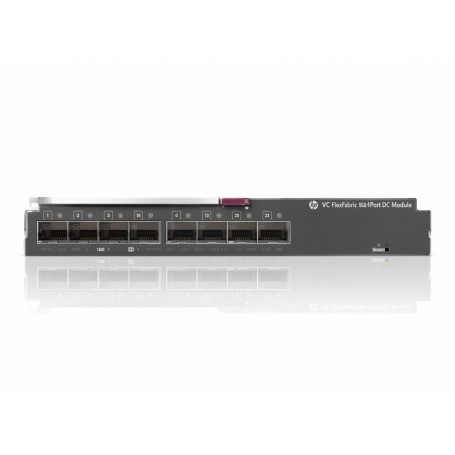
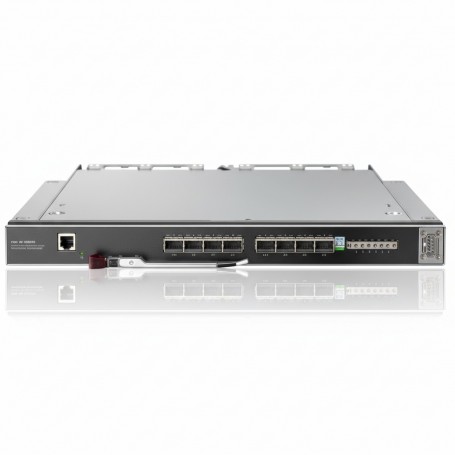
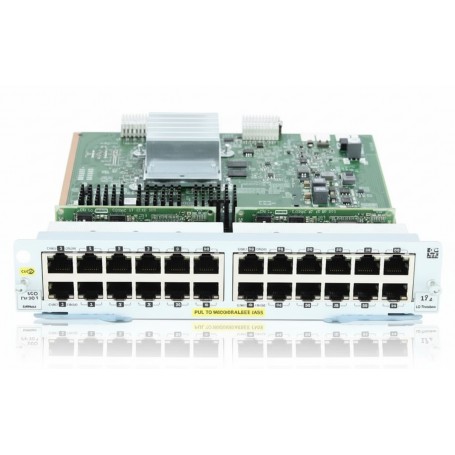
The HPE 790957-001 is a Virtual Connect 16Gb 24-Port Fibre Channel Module designed for the HPE BladeSystem c-Class enclosure. It provides a simplified and flexible interface between server blades and a Storage Area Network (SAN). This module is engineered for IT environments that require high-bandwidth, low-latency connectivity for storage-intensive workloads, such as virtualization, database, and business processing applications in the enterprise data center. It directly addresses the complexity of traditional SANs by reducing cabling and centralizing the management of server-to-storage connections. This interconnect module leverages N_Port ID Virtualization (NPIV) technology, a critical feature that allows a single physical Fibre Channel HBA port to be shared across multiple virtual machines, each with its own unique worldwide name (WWN). This capability is essential in virtualized environments, enabling fine-grained control and direct provisioning of storage resources on a per-VM basis. By presenting itself as a pass-through device to the SAN, it simplifies administration, eliminating the need for SAN administrators to manage server connection changes. Designed as an integrated plug-in module for the HPE BladeSystem c-Class chassis, the 790957-001 physically streamlines the data center infrastructure by minimizing the need for external switches and reducing the number of cables and transceivers. Management is handled through the Virtual Connect Manager and HPE OneView, which provide a single interface for defining server profiles and managing network connections. This centralized management approach allows administrators to add, replace, or recover servers transparently to the network.
Key Features
- Features 8 uplinks and 16 downlinks for connectivity.
- Auto-negotiating ports support 4/8/16Gb FC speeds.
- Simplifies SAN fabric via N_Port ID Virtualization.
- Manages server profiles for rapid resource allocation.
- TAA compliant for US government procurement requirements.
Write a Review