





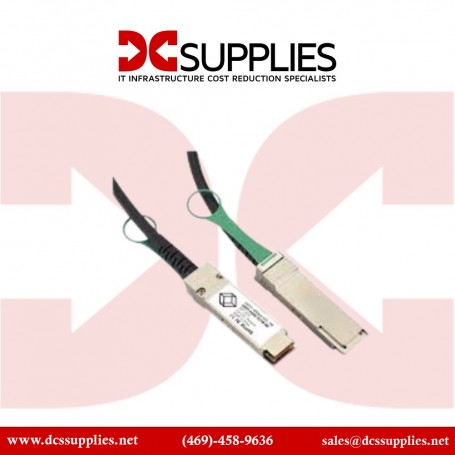

Netgear AXC763-10000S 3m 10G SFP+ Direct Attach Copper Cable
Overview
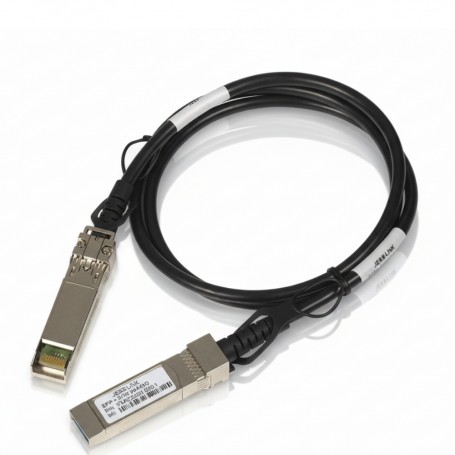
The Netgear AXC763-10000S is a 3-meter passive Direct Attach Copper (DAC) cable engineered for high-density, high-speed 10GbE interconnectivity in enterprise environments. As a senior infrastructure engineer, I recognize the AXC763 as a vital component for short-range links, specifically optimized for Top-of-Rack (ToR) switching, server-to-switch connections, and storage area network (SAN) deployments. This cable serves as a cost-effective and energy-efficient alternative to using individual SFP+ optical transceivers and fiber patch cables for distances under three meters.
Key Features
- – Passive twinaxial copper for ultra-low power consumption.
- – Hot-swappable SFP+ connectors for simplified deployment.
- – 3-meter length optimized for adjacent rack interconnects.
- – Full 10Gbps line-rate performance with minimal latency.
- Brand Netgear
- Part Number AXC763-10000S
- Product Type Direct Attach Copper (DAC) Cable
- Connector Type SFP+ to SFP+
- Cable Length 3 Meters (9.8 ft)
- Data Transfer Rate 10 Gbps
- Cable Type Passive Twinaxial
- Wire Gauge 30 AWG
- Impedance 100 Ohms
- Minimum Bend Radius 33 mm
- Operating Temperature 0? to 70? C
- Compliance SFF-8431, SFP+ MSA
Frequently Asked Questions
Is the AXC763-10000S compatible with non-Netgear hardware?
While specifically validated for Netgear M4250, M4300, and M4500 series switches, it adheres to SFP+ MSA standards. For guaranteed performance and official support, it is best utilized for Netgear-to-Netgear or Netgear-to-Server links.
Does this cable require any software configuration?
No, the AXC763 is a passive, plug-and-play cable. Once inserted into compatible SFP+ ports, the link is established automatically at 10Gbps without the need for manual CLI or GUI configuration.
What are the primary benefits of using this DAC over optical transceivers?
For short distances (up to 3m), this DAC cable offers significantly lower latency, consumes less power, and reduces the total cost of ownership by eliminating the need for two transceivers and a fiber patch lead.
Write a Review